
Tim Anderson Lineage Anthuriums
This collection features Anthurium hybrids and selections connected to plants originating from the collection of Tim Anderson, one of the most influential figures in modern Anthurium cultivation and breeding. Tim’s influence extends across the collector world and can still be seen in many important modern lines, including work that informed later breeding associated with Doc Block.
Tim Anderson operated Palm Hammock Orchid Estate in South Florida, where he cultivated a wide range of tropical ornamentals including orchids, begonias, crotons, and aroids. Through Tim's work, Palm Hammock became an important source of Anthurium material that continues to shape the trade today.
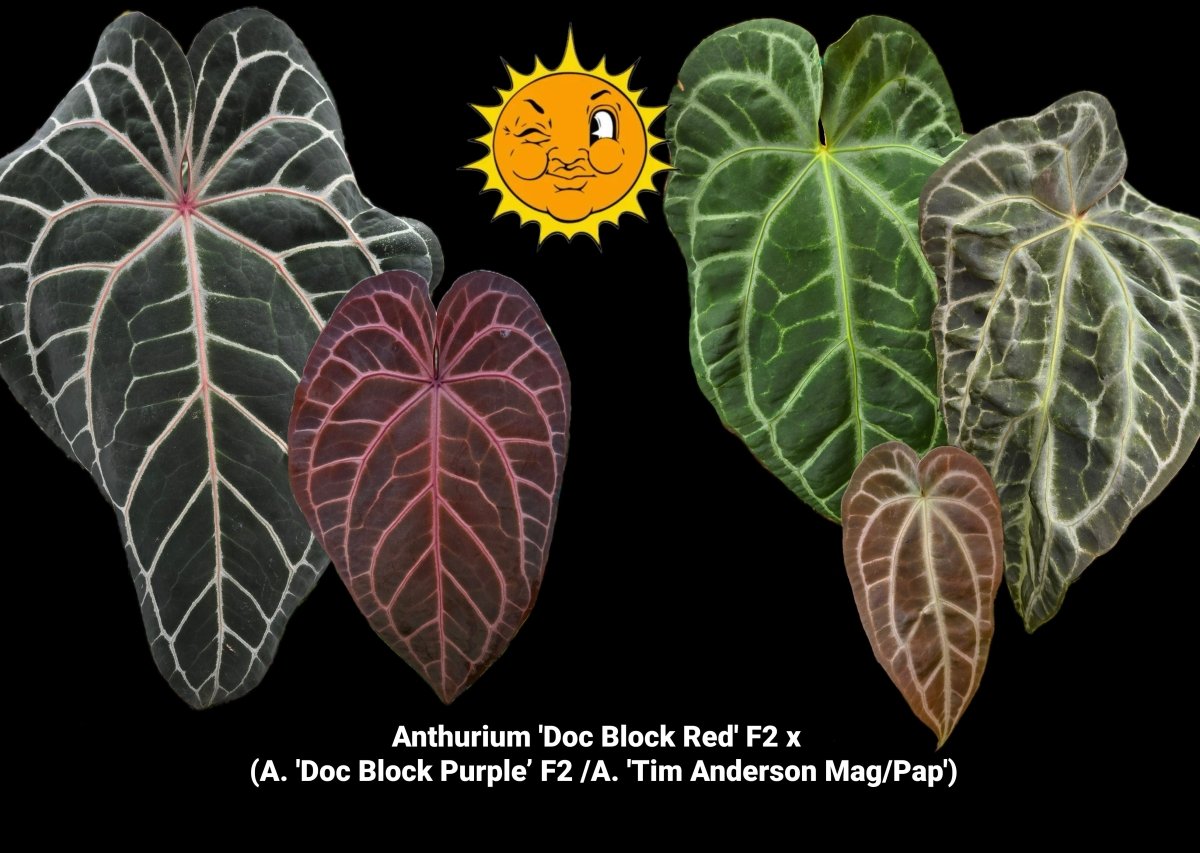
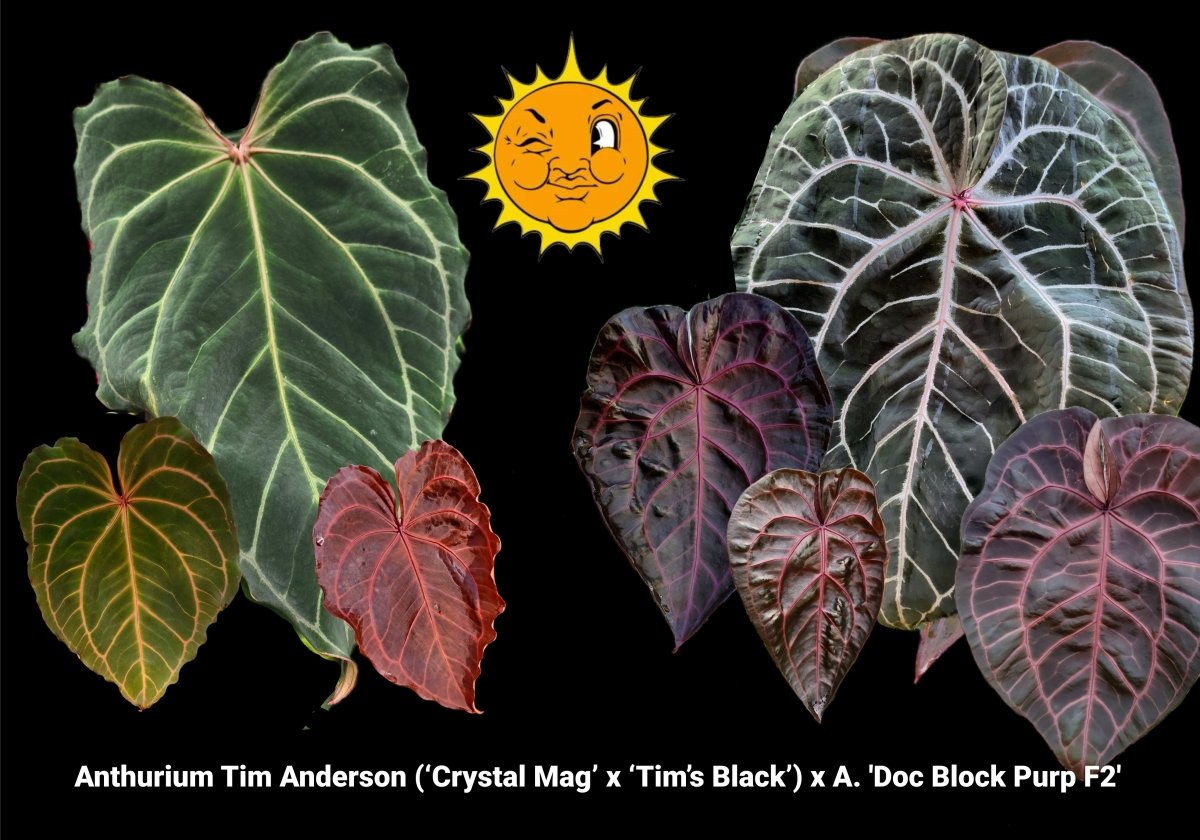
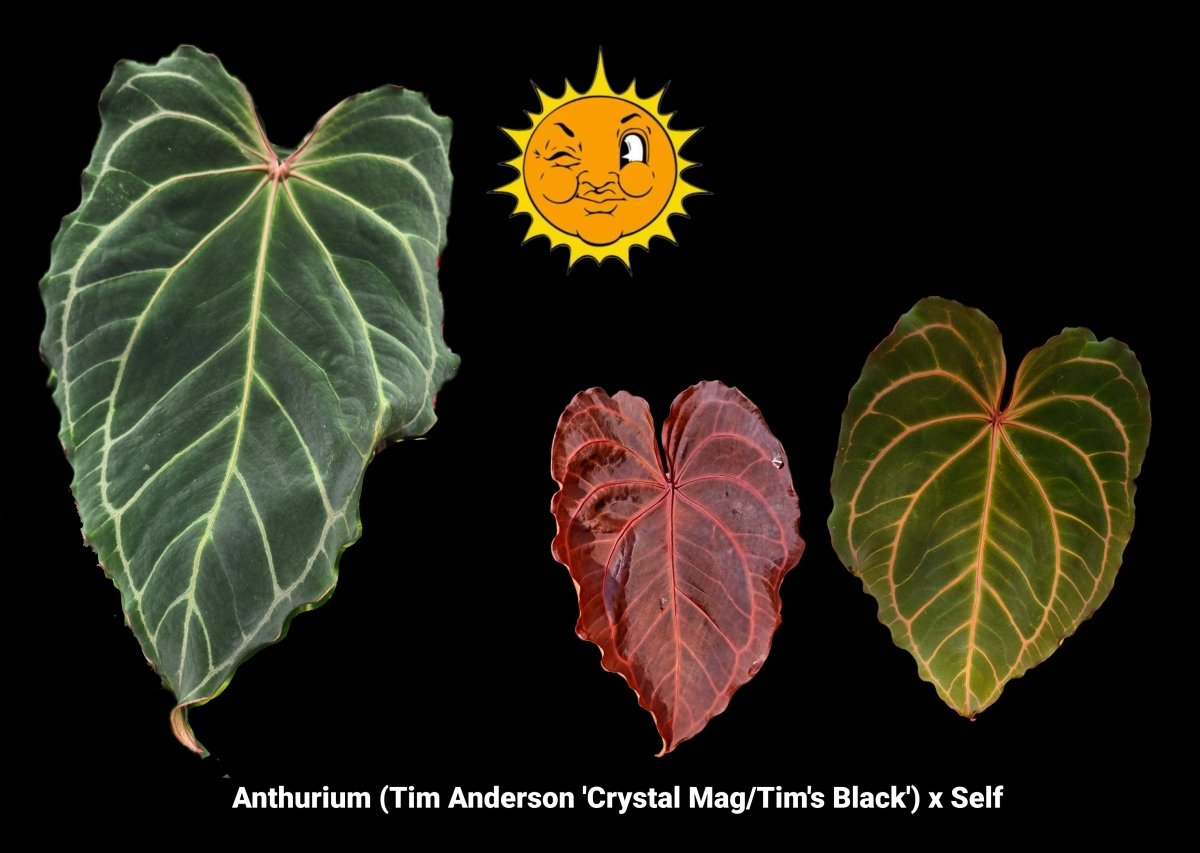
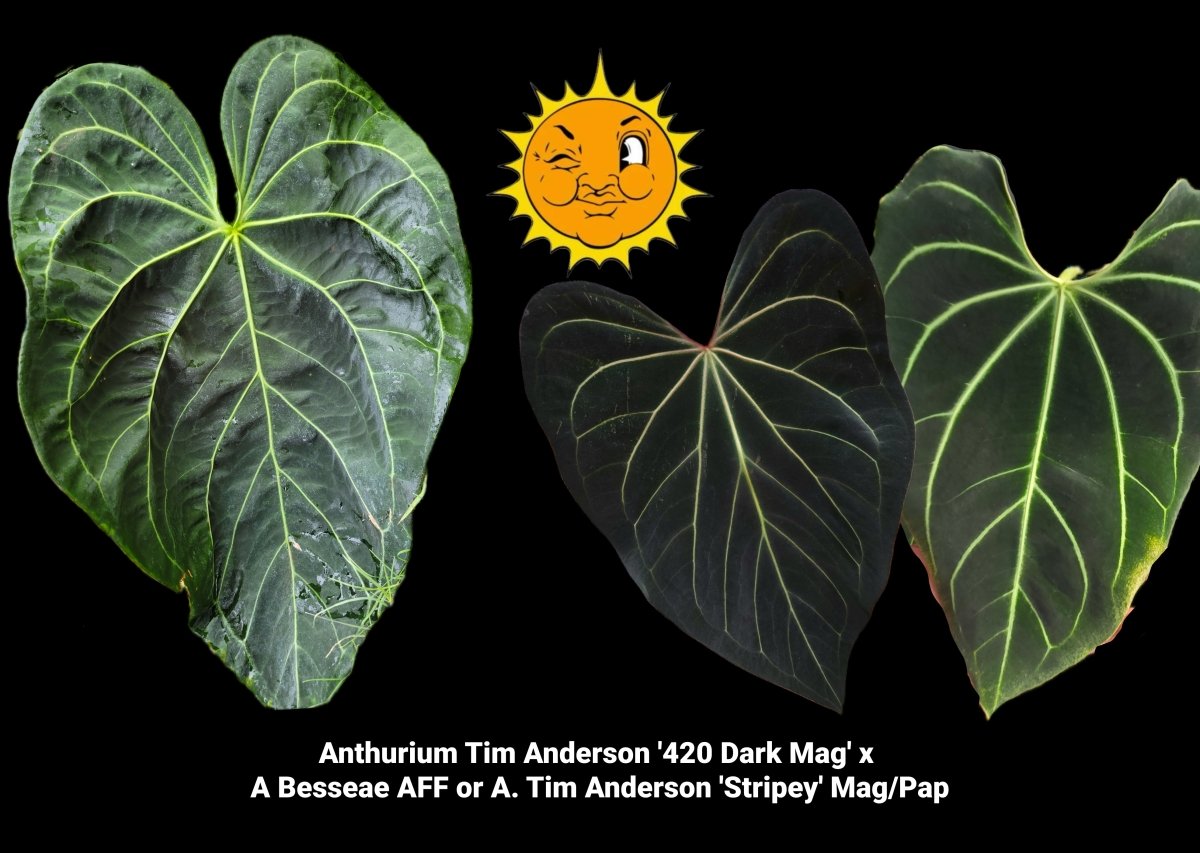
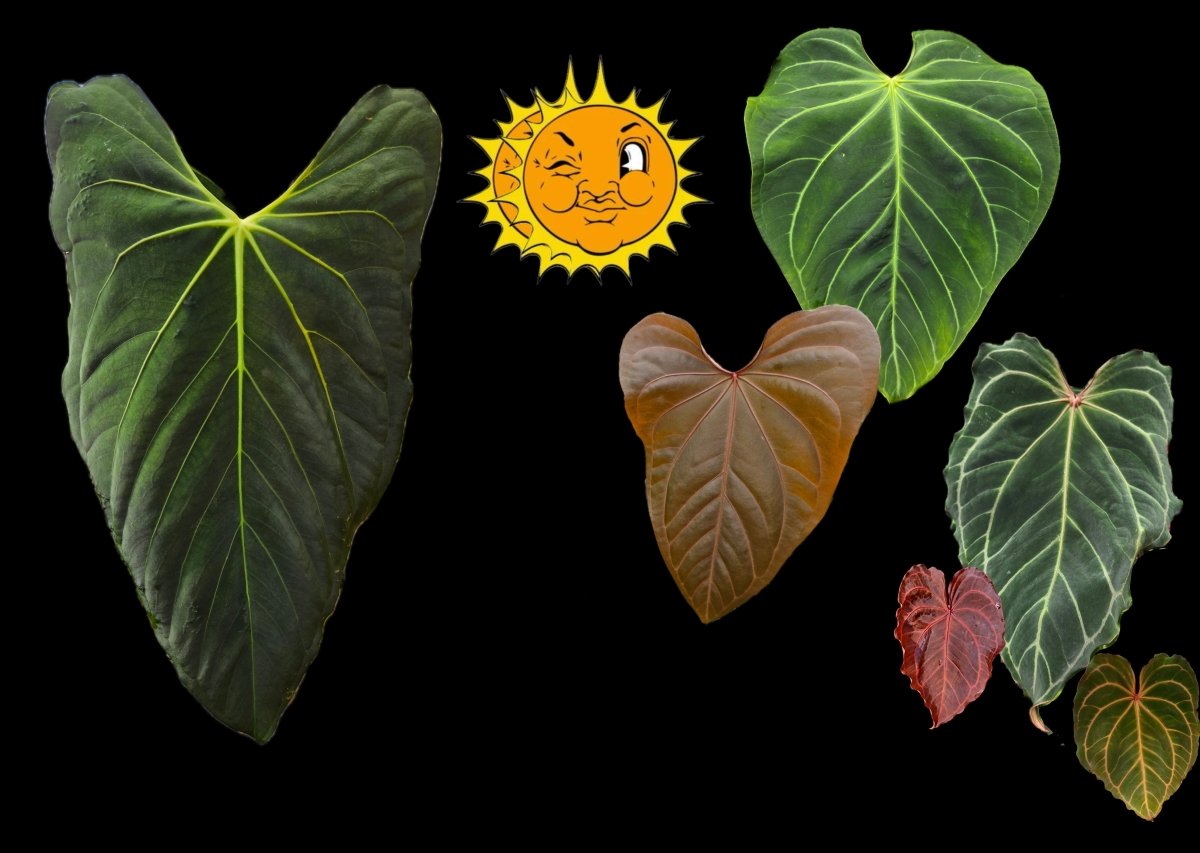
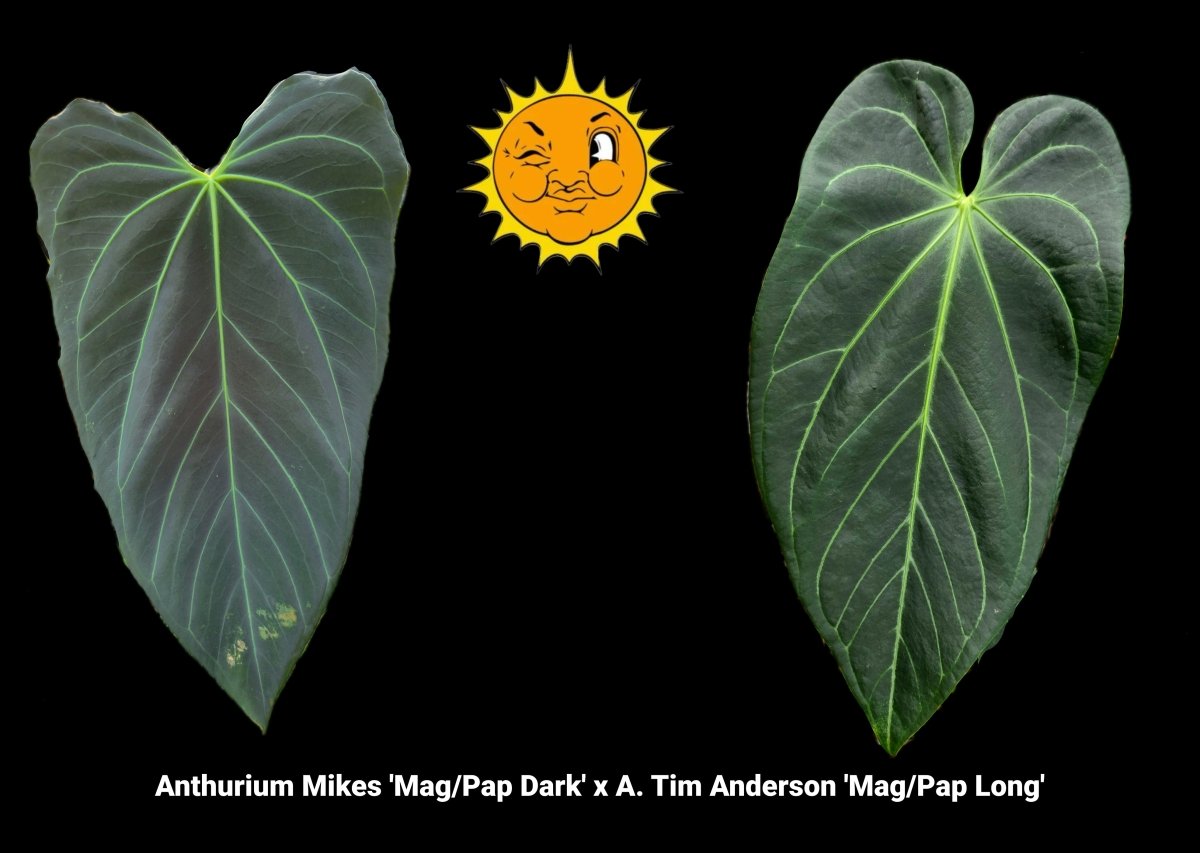
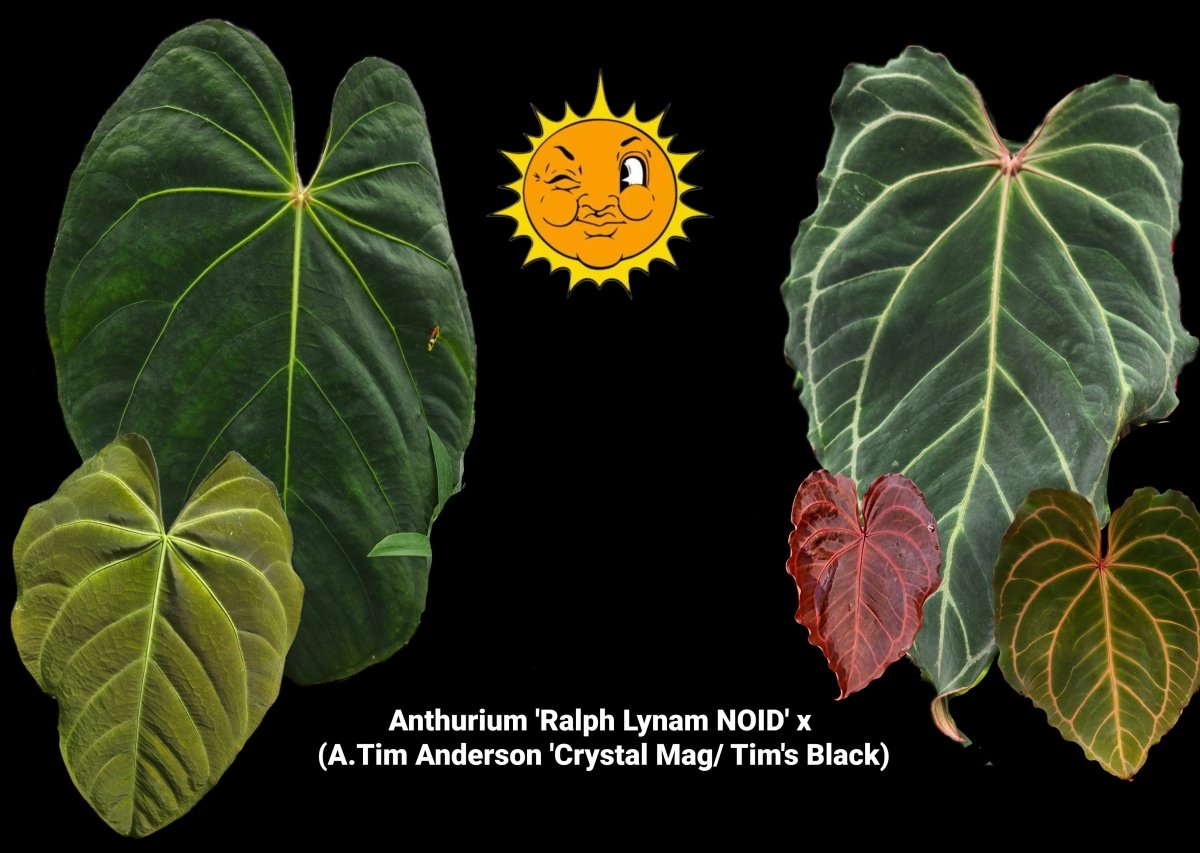
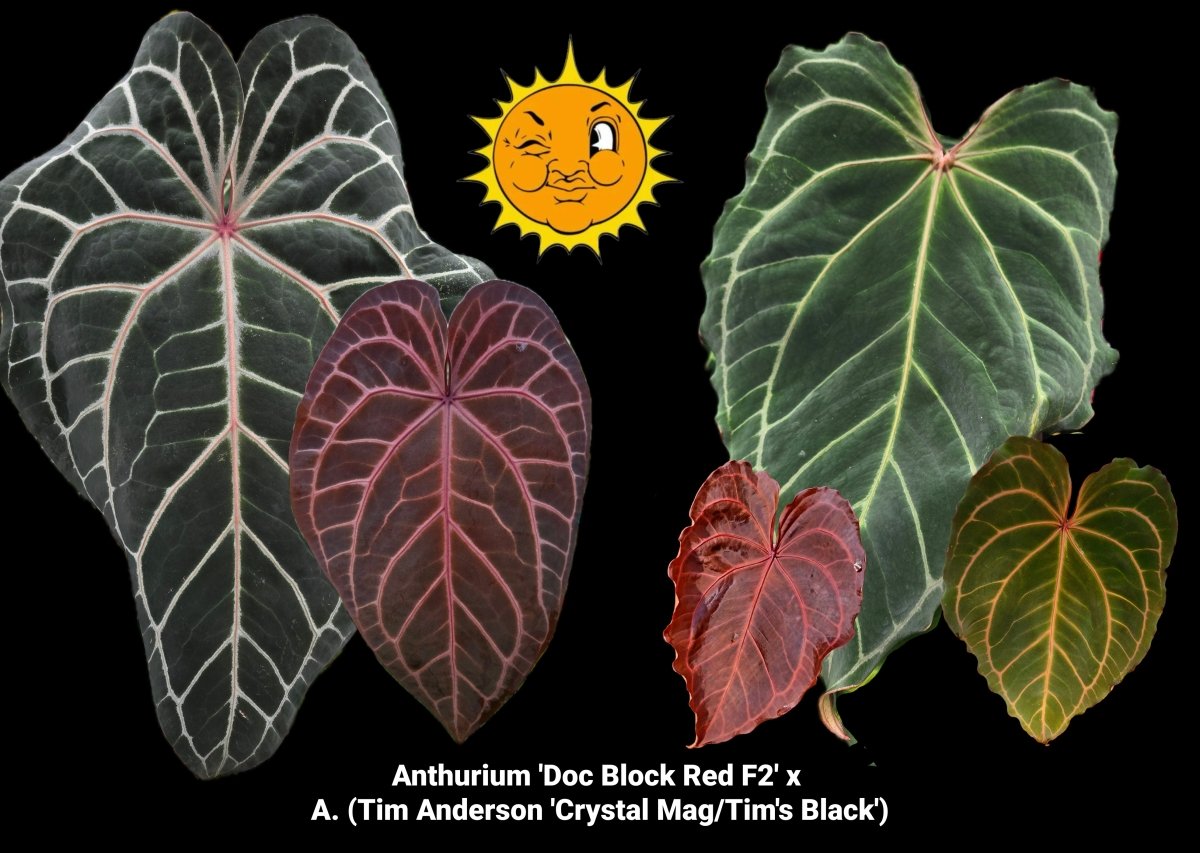
At Palm Hammock, Tim developed early Anthurium hybrids that helped define the direction of modern velvet-leaf breeding. His hybrid Anthurium ‘Wonder Boy’ is widely recognized as one of the earliest velvet-leaf Anthuriums to exhibit red veining and reddish emergent foliage, traits that later breeders continued to refine and expand. Tim’s Black and Tim’s Stripey remain among the most sought-after plants in cultivation.
Many plants circulating among collectors today trace lineage to material grown, selected, or distributed through Palm Hammock. These selections highlight Anthuriums carrying Tim Anderson genetics, valued for some of the most exceptional source material in the trade.
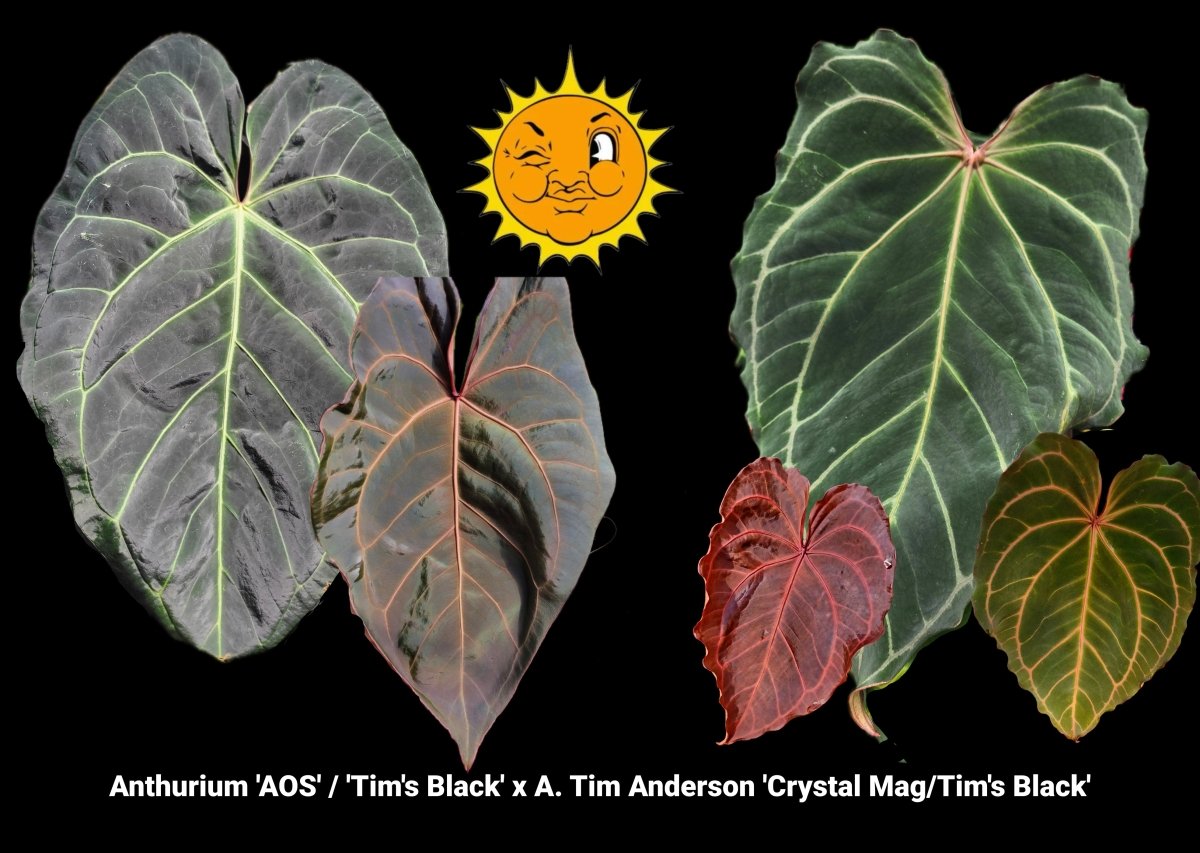
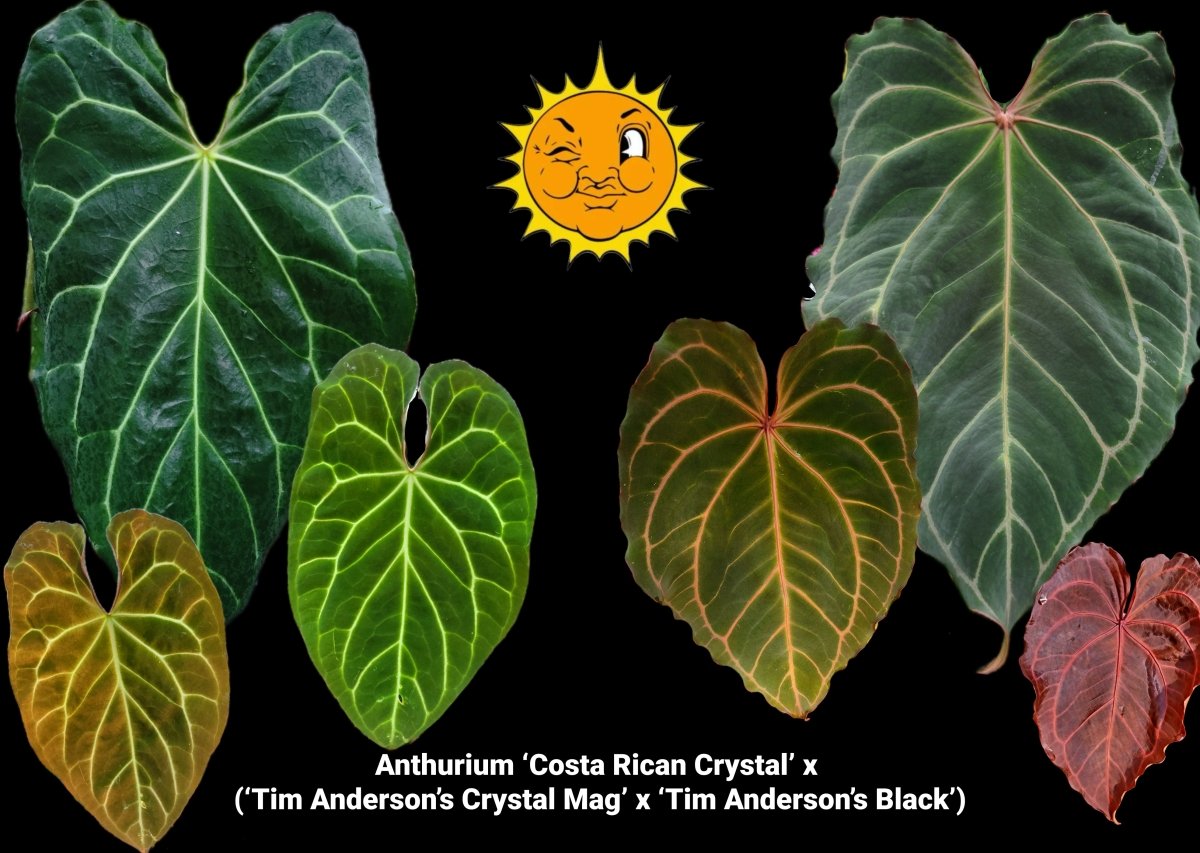
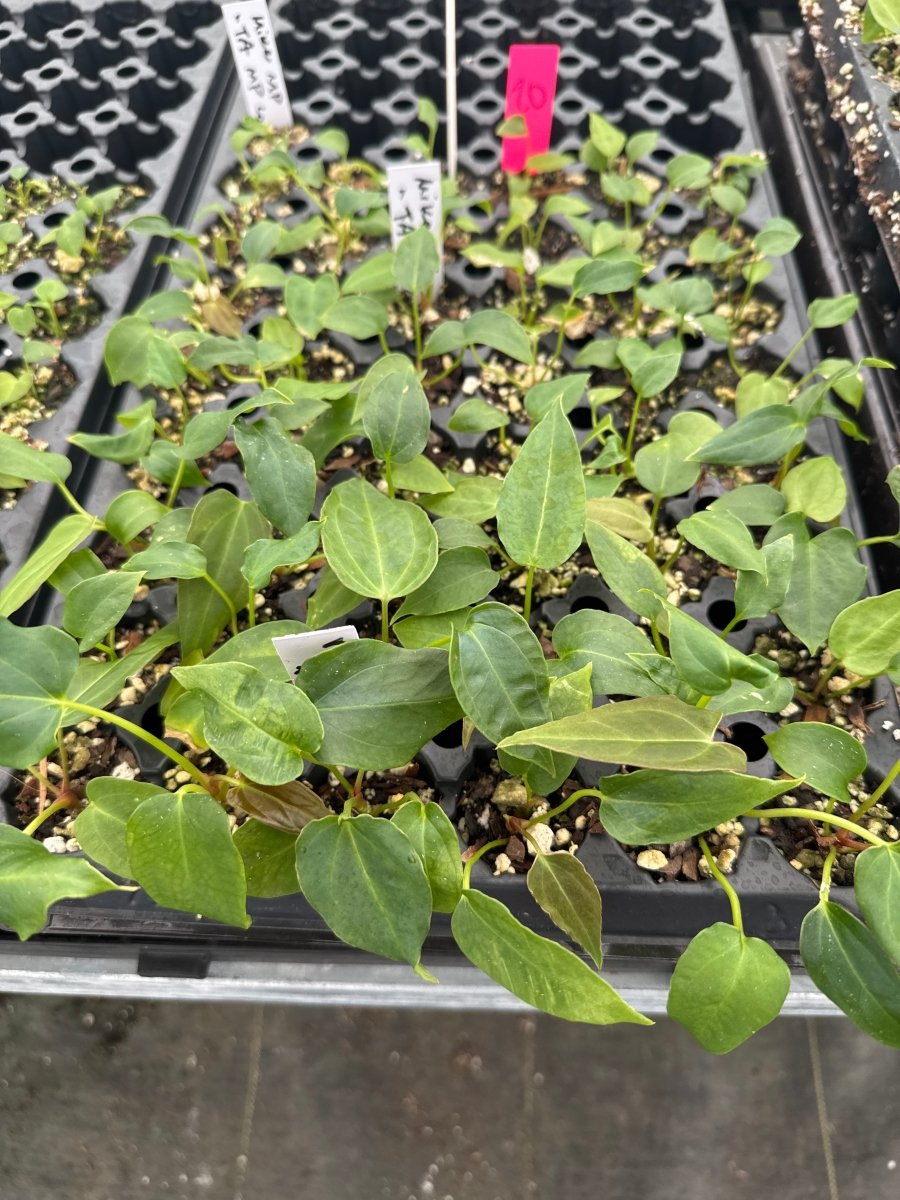
This collection includes seed-grown hybrids and breeding projects connected to Tim Anderson material that we spent years trading for and acquiring.
![Anthurium 'Butterfly' ['Hoffmannii X'] x A. Tim Anderson 'Stripey Mag/Pap' (A63) (small) – seed-grown Anthurium hybrid seed (](http://niceplantsgoodpots.com/cdn/shop/files/anthurium-butterfly-hoffmannii-x-x-a-tim-anderson-stripey-magpap-a63-small-2514589.jpg?v=1752845881&width=3000)
![Anthurium 'Butterfly' ['Hoffmannii X'] x A. Tim Anderson 'Stripey Mag/Pap' (A63) (small) – seed-grown Anthurium hybrid seed (](http://niceplantsgoodpots.com/cdn/shop/files/anthurium-butterfly-hoffmannii-x-x-a-tim-anderson-stripey-magpap-a63-small-7906783.jpg?v=1752845881&width=3000)











Most collector Anthuriums prefer:
Bright, indirect light
High humidity (60%+ ideal)
Chunky, well-draining substrate
Consistent airflow
Stable temperatures
Growing & Care for Rare Anthuriums
We recommend a coarse, airy substrate designed for epiphytic aroids. Our Anthurium soil blends are available separately and are formulated for root health and aeration.
Proper conditions will enhance velvet texture, venation clarity, and emergent coloration.
Explore Our Educational Guides
Acclimating Your New Anthuriums
Tips for acclimating your new Anthuriums
How to Grow Anthuriums Indoors-Tips for Growing Anthuriums Indoors
Rare & Collector-Grade Anthurium Plants
Our Anthurium collection focuses on rare, collector-grade genetics selected for distinctive foliage, high quality, Collector lineage , and breeding potential. See our mother plants here.
These are not mass-produced tissue culture plants. Many are one of a kind, seed-grown hybrids and carefully selected crosses featuring Papillilaminum, Crystallinum, Magnificum, Warocqueanum, Swampmannii, Rotundatum, Portillae, Doc Block, Silver Krome, Ree Gardens and Tim Anderson lines.
Collector Anthuriums are valued for:
- Veining, form, and distinctiveness
- Dark emergent & robust growth
- Hybrid vigor and phenotype variation
- Exact provenance, Strong lineage documentation
- Limited availability
Each plant is established, well-rooted, and grown in our New Orleans greenhouse.
We release plants in small batches to maintain high quality genetic diversity and plant quality.
Seed-Grown Anthurium Hybrids & Genetic Lineage
We prioritize seed-grown Anthurium hybrids because they produce stronger root systems, greater variation, and more unique phenotype expression compared to cloned stock.
Many of our crosses include:
Papillilaminum
Crystallinum
Swampmannii
Portillae
Rotundatum
Tim Anderson, SKG and Doc Block selections
Seed-grown plants offer collectors the opportunity to own genetically distinct individuals rather than identical clones. Each cross is selected for form, venation , emergent coloration, and long-term breeding value.
If you're searching for rare Anthurium plants for sale with documented breeding lines, these plants represent our active genetic projects and current greenhouse selections.
Frequently Asked Questions
-
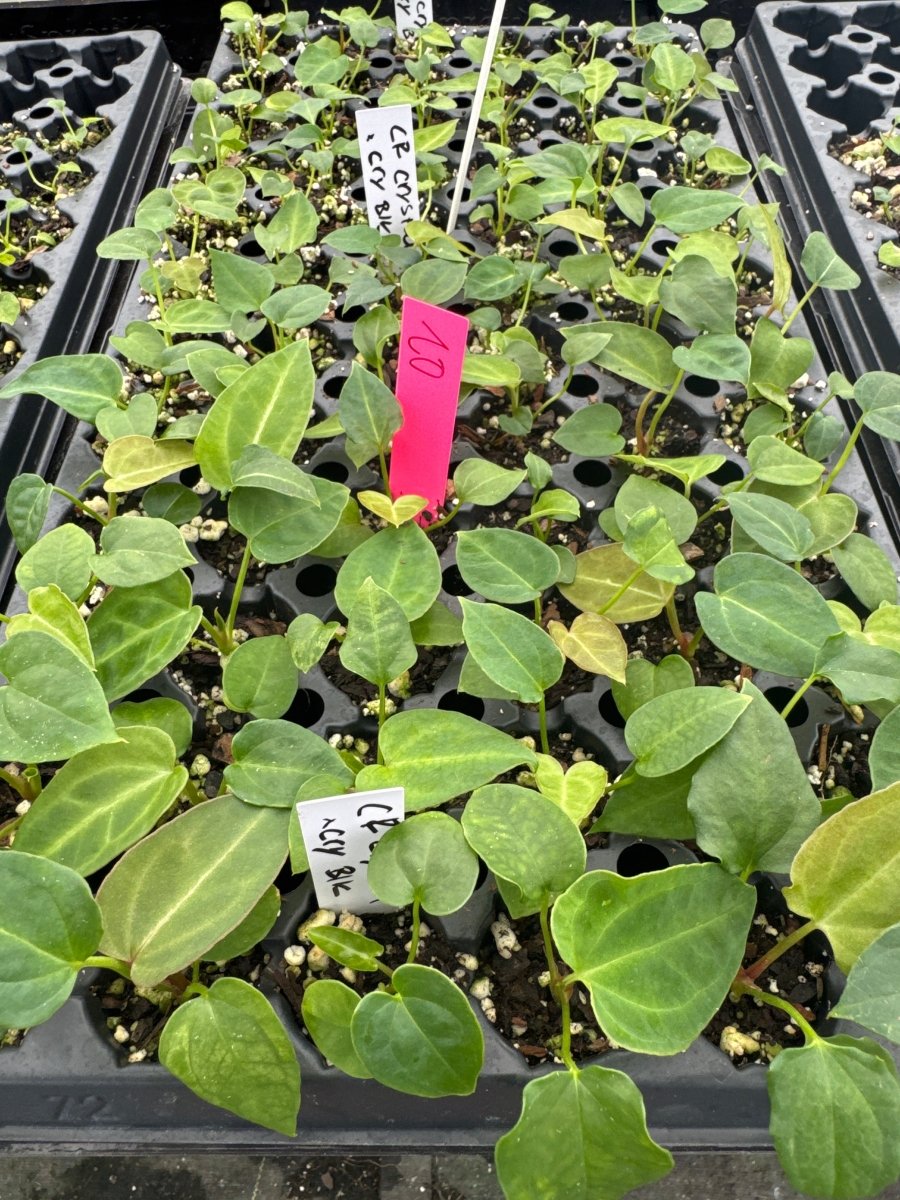
Our Anthuriums are seed-grown in our production greenhouse. You will receiving healthy established plants, not stressed out starters or plants in bags.
-
Yes. All plants are established and shipped in pots from our nursery in New Orleans Louisiana
-
Yes. Many genetics are released in small batches and may not be restocked.
-
Seed-grown hybrids show slight, but predictable natural variation. Individual plants may differ slightly in foliage expression.
-
New crosses and selections are added periodically as they mature to sale size.
-
Our Anthuriums are seed-grown in our production greenhouse. You will receiving healthy established plants, not stressed out starters or plants in bags.
-
Yes. Many genetics are released in small batches and may not be restocked.
-
New crosses and selections are added periodically as they mature to sale size.
-
Yes. All plants are established and shipped in pots from our nursery in New Orleans Louisiana
-
Seed-grown hybrids show slight, but predictable natural variation. Individual plants may differ slightly in foliage expression.